Vagankovskoye Cemetery
Founded 1771 · 50 hectares · Presnensky district, central Moscow
Founded in 1771 during the plague epidemic by decree of Catherine II, Vagankovskoye is one of Moscow’s oldest working cemeteries. Poet Sergei Yesenin, singer Vladimir Vysotsky and actor Leonid Filatov are buried here, and many monuments hold protected heritage status.
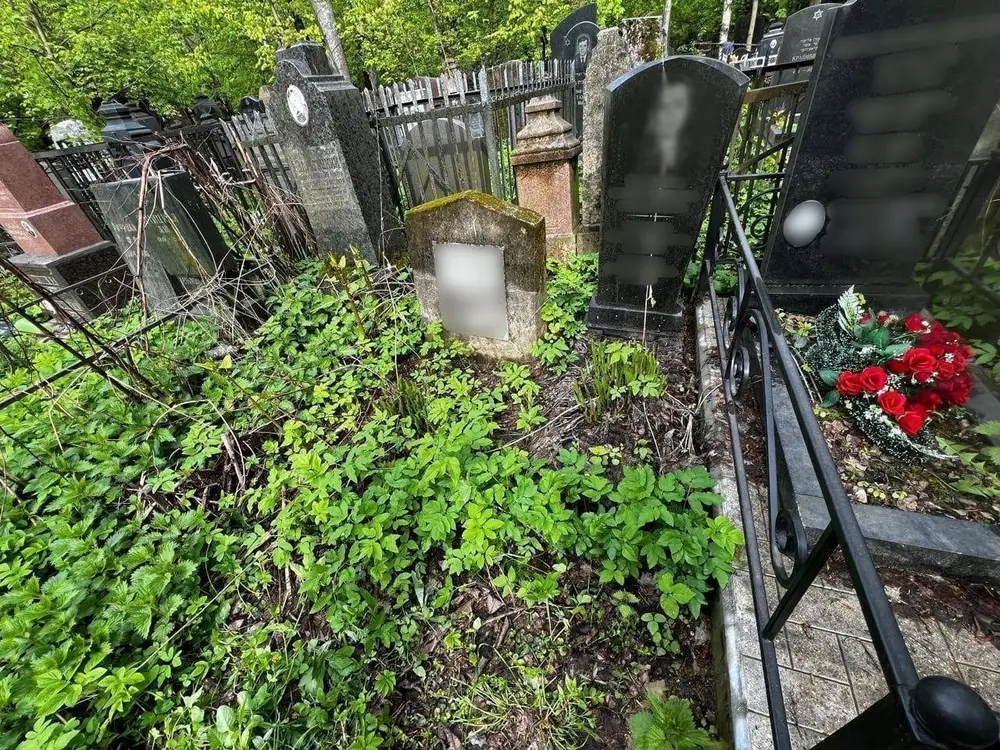
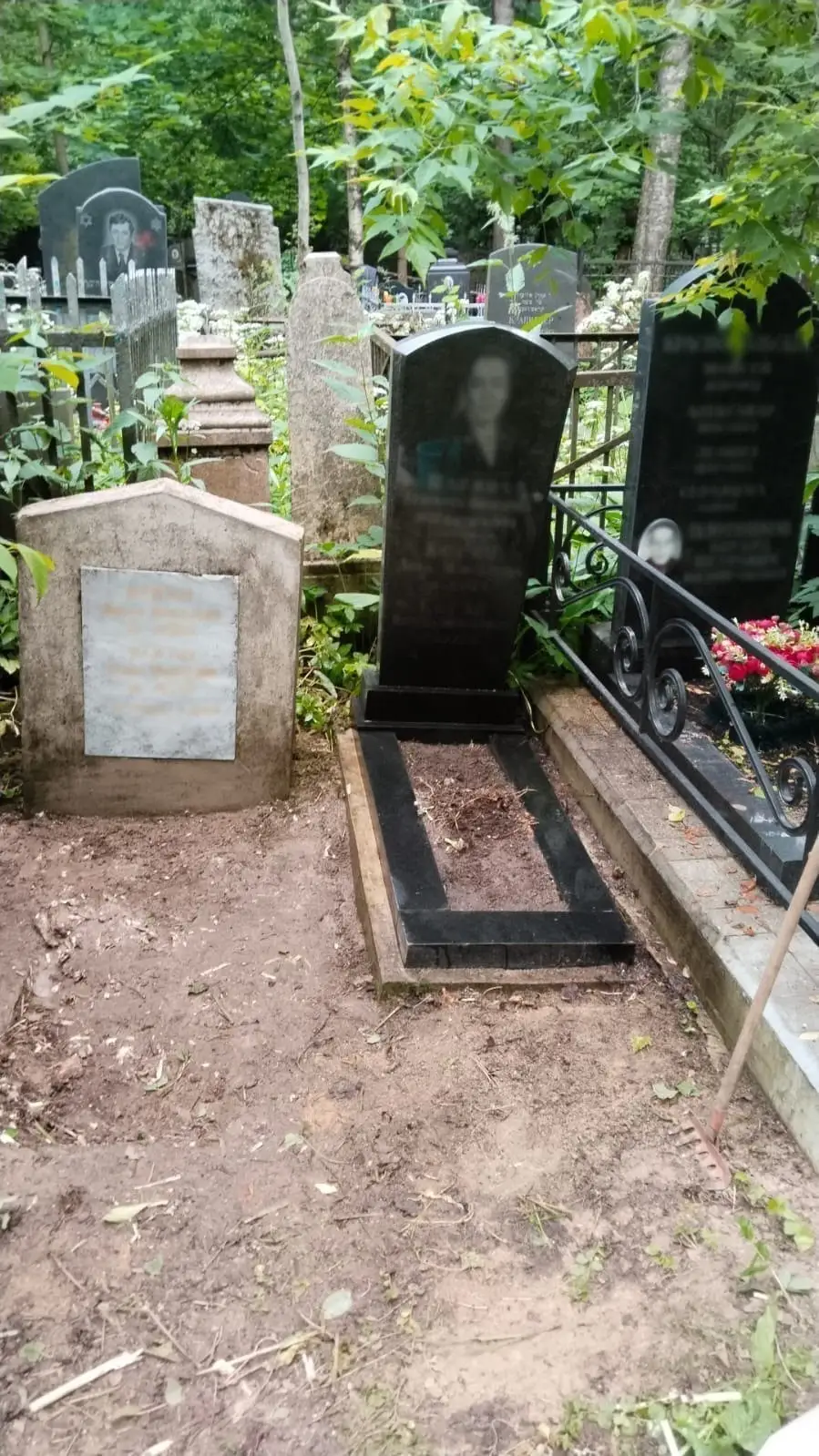
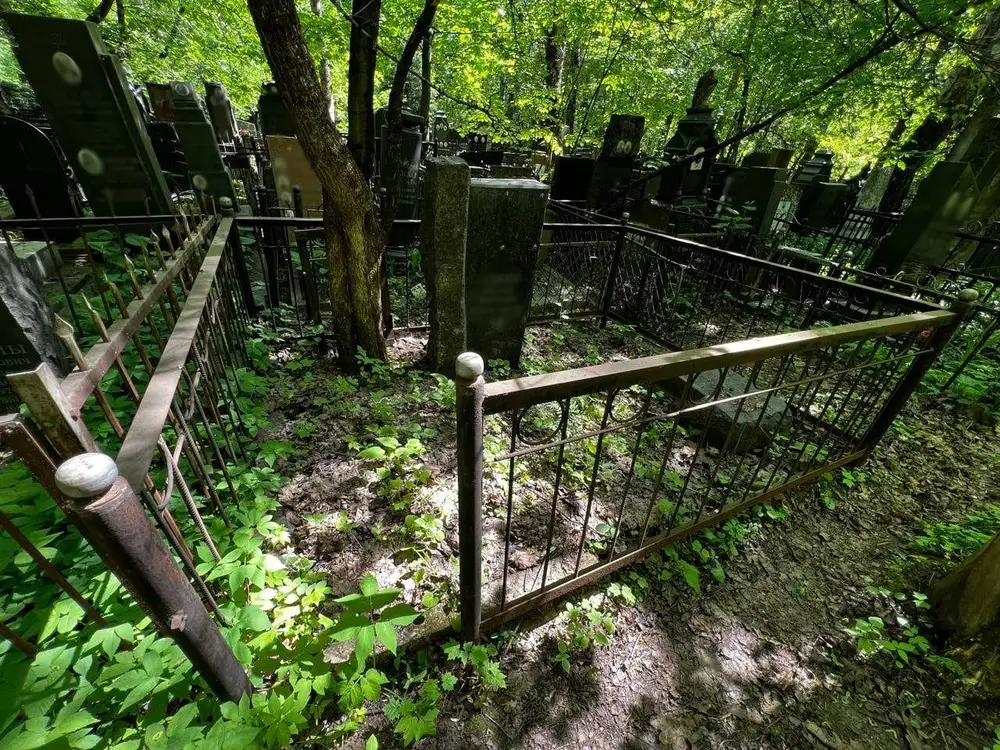
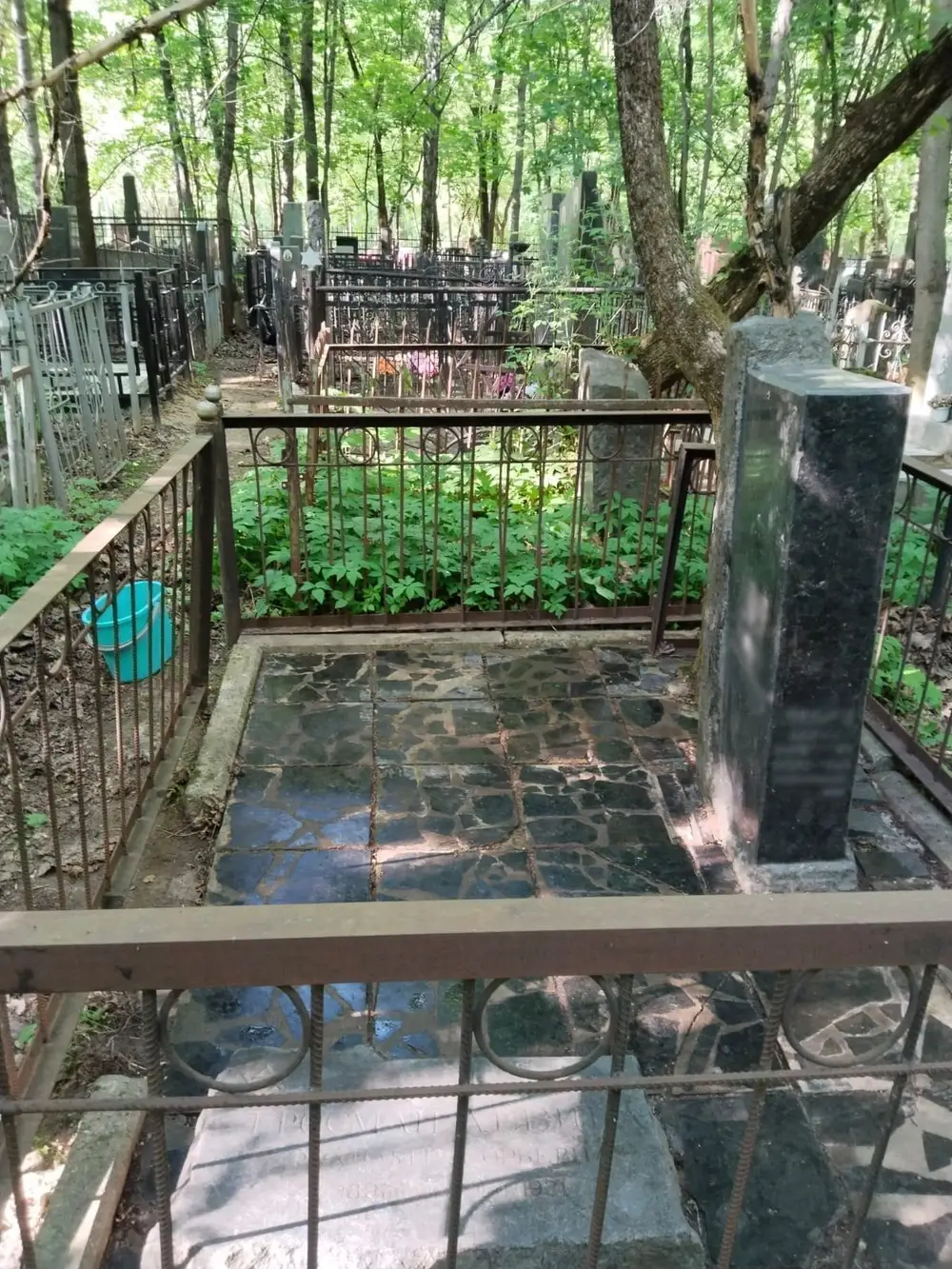
Rows are dense, passages narrow, and old trees keep much of the ground in shade, so headstones darken and grow moss. We clean marble and granite with gentle, non-abrasive products only, level mounds washed down on the sloped plots, and send before/after photos of every visit.
Troyekurovskoye Cemetery
Founded 1962 · 52 hectares · western Moscow
Opened in 1962 on the site of the former Troyekurovo village, Troyekurovskoye became one of Moscow’s most prominent modern burial grounds — television journalist Vlad Listyev, film director Eldar Ryazanov and singer Zhanna Friske rest here.
Sections are clearly numbered and the central alleys are paved, which makes plots easy to locate. Most graves sit in open sunlight, so grass grows fast in summer: we mow regularly, wash polished granite free of dust and water marks, and clear leaves in autumn.
Khovanskoye Cemetery
Largest cemetery in Moscow — one of the largest in EuropeFounded 1972 · about 197 hectares · Novomoskovsky district, south-west of the city
Khovanskoye is the largest cemetery in Moscow and one of the largest in Europe: roughly 197 hectares divided into three territories — Northern, Central and Western — each with its own entrance and infrastructure. More than half a million people are buried here.
It is also the cemetery we serve most often for families living abroad. Relatives who left Russia decades ago frequently have graves here — far from the city centre and genuinely hard to visit. Without a section and plot number the grounds are difficult to navigate even in person, so we locate graves through the cemetery administration by full name and year of burial (from ₽1,500, ~$17), then confirm the plot with photos before any work starts.
The Northern part is the oldest, with tight rows and 1970s–80s concrete and marble-chip monuments that need careful, delicate cleaning; the Central and Western parts are laid out more regularly. The soil is clay-heavy, and paths turn muddy after rain. Because the cemetery is so remote, most of our clients here choose the seasonal package — four scheduled visits a year with a photo report after each one.
Mitinskoye Cemetery
Founded 1978 · about 147 hectares · north-west Moscow
Opened in 1978 in Moscow’s north-west, Mitinskoye is known for its memorial to the Chernobyl liquidators, alongside military sections and a columbarium. The layout is modern: numbered sections, paved alleys, workable space between rows.
Most plots are open to the sun, so summer grass needs frequent cutting. The loamy soil settles after heavy rain and mounds occasionally need topping up; the mostly granite headstones chiefly require regular washing to stay presentable.
Nikolo-Arkhangelskoye Cemetery
Founded 1960 · about 198 hectares · Balashikha, on Moscow’s eastern border
Founded in 1960 just outside Moscow’s eastern edge, Nikolo-Arkhangelskoye is comparable to Khovanskoye in size and houses Eastern Europe’s largest crematorium and columbarium complex, with the Church of Michael the Archangel on its grounds.
The older 1960s–70s sections are densely built with concrete and marble monuments that call for gentle handling; newer sections follow a regular plan. Autumn brings heavy leaf-fall. Besides standard plot care we also clean columbarium niches — access goes through the columbarium administration, so we plan those visits in advance.
Vvedenskoye (German) Cemetery
Historic resting place of Moscow’s Catholic and Lutheran communitiesFounded 1771 · 19 hectares · Lefortovo district
Founded in the same plague year of 1771, next to what was then Moscow’s German Quarter, Vvedenskoye is historically the burial ground of the city’s Catholic, Lutheran, Protestant and Anglican communities — families from Germany and across Europe — which is why Muscovites still call it the German Cemetery. If your ancestors belonged to Moscow’s foreign communities, this is often where to look.
Its grounds hold family vaults, chapels and cast-iron railings in a distinctly European style; painter Viktor Vasnetsov, writer Mikhail Prishvin, the “holy doctor” Fyodor Haass and restaurateur Lucien Olivier are buried here. The 19th-century marble and limestone tolerate no acid or abrasive cleaning — we work by hand with mild products, preserving inscriptions and patina, and can restore and repaint the historic iron fences.
Pyatnitskoe Cemetery
Founded 1771 · 12 hectares · northern Moscow
A third cemetery of 1771, Pyatnitskoe takes its name from the Church of St Paraskeva Pyatnitsa on its grounds. It is small and partially closed to new burials, with many protected 19th-century monuments: painter Aleksey Savrasov, historian Timofey Granovsky and philosopher Nikolai Fyodorov rest here.
This is the most delicate cemetery we work at: fragile marble and limestone, narrow shaded paths, persistent moss and lichen. We use hand tools and mild products only, so the engraving and the patina of the old stone stay untouched.
Domodedovskoe Cemetery
Founded 1962 · about 50 hectares · southern Moscow, off the Kashirskoye Highway
Despite its name, Domodedovskoe lies within Moscow’s boundaries. It has a church, a military section and a columbarium, and is among the city’s most visited cemeteries, especially around memorial days.
The regular layout makes it comfortable to work in: open plots mean fast summer grass, polished granite needs routine washing, and plots on slopes need occasional soil topping-up. Demand peaks before Radonitsa and Trinity Sunday — book about two weeks ahead for those dates; otherwise 5–7 days’ notice is enough.